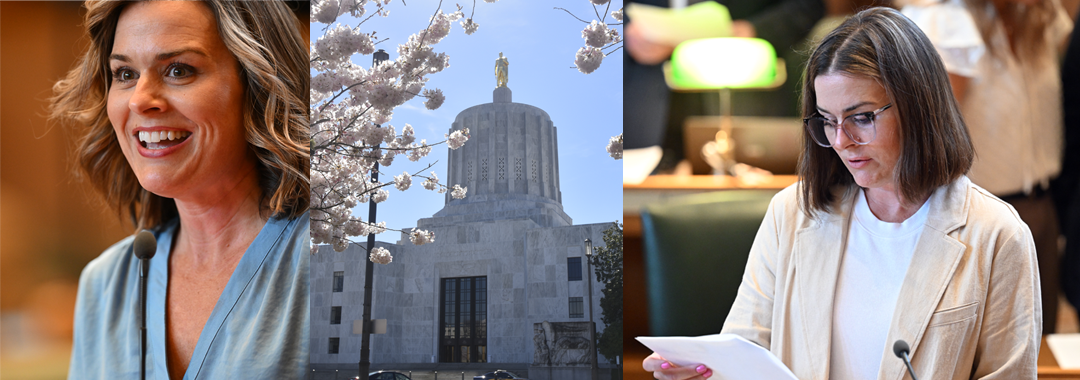
When I first ran for the Oregon Legislature, I never imagined public service would become such an important part of my life. I came to Salem from a local school board, a small-business background, and a community I love, with a simple goal: to serve people well.
I have learned that serving in the Legislature means celebrating victories, learning from losses, and standing firm when outcomes aren't what you hoped for. Not every bill I supported passed, but every experience has made me a better legislator and advocate for District 56.
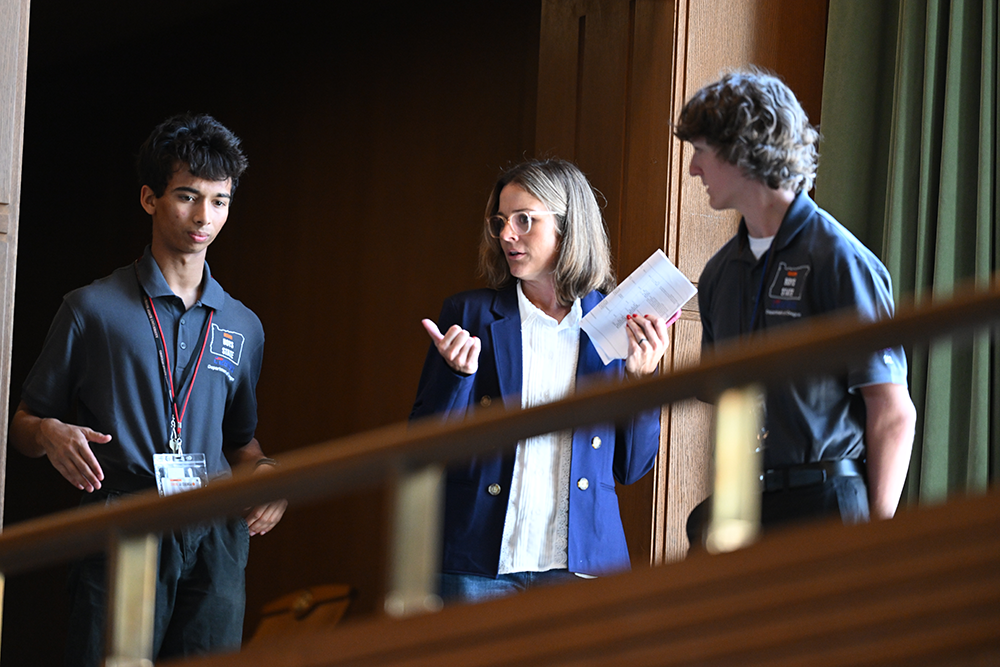 I am proud of our wins—bringing resources and investment to our communities, advocating for schools and students, fighting for rural infrastructure, supporting agriculture and economic opportunity, and ensuring Southern and rural Oregon have a voice in Salem.
But I measure success by more than bills passed. I have built relationships across the aisle and learned we can disagree politically while working together on problems that matter to Oregonians. You can stand firmly for your principles without treating those who disagree as enemies.
I don't believe Oregon needs more political division. I believe Oregon needs more people willing to work together.
My faith is at the center of my public service. I believe we are called to love God and love people—and treat others with dignity and respect, even when we disagree. I go to Salem to listen, work, and find pragmatic solutions for Oregon families, businesses, schools, farmers, healthcare providers, and communities.
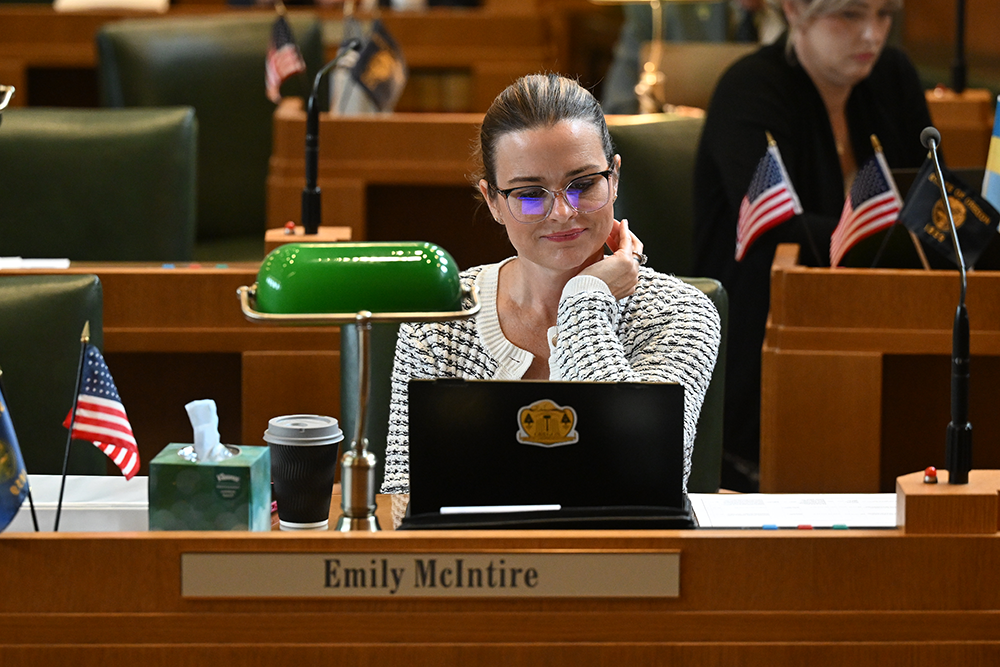 Oregon has extraordinary potential, with natural resources, innovative businesses, world-class agriculture, strong communities, and people who care deeply about where they live.
We should make Oregon a destination state—a place where families want to live, businesses want to invest, people want to raise their children, and communities can thrive.
That requires bringing people together, solving problems, respecting local communities, and making difficult decisions—not one party's agenda.
I will continue bringing that approach to the Legislature: faith first, people before politics, and practical solutions over partisan talking points.
I am not in this for a title. I am here to serve.
I believe we can protect our land and environment and support the farmers and ranchers who have spent generations caring for it. In the Klamath Basin, these things are not opposites.
Our farmers and ranchers are stewards of the land. They raise livestock, grow crops, maintain irrigation systems, and pass their knowledge to the next generation while providing food far beyond our region.
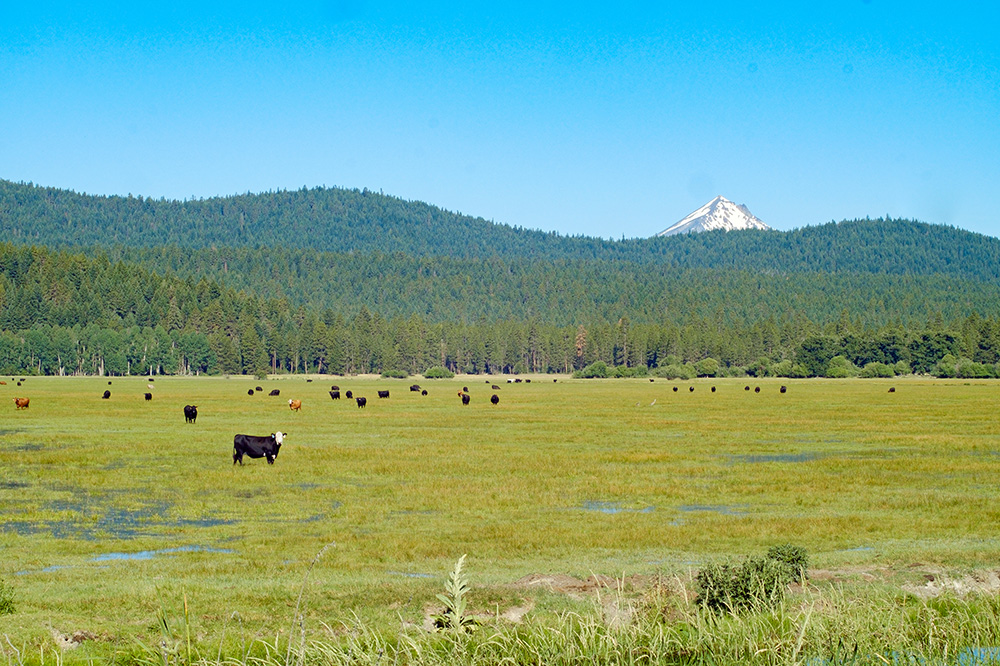 When water supplies are adequate, the Klamath Project has supported roughly 200,000 acres of irrigated farmland, producing more than $200 million in direct crop value and thousands of jobs in a typical year.
Production includes approximately 840 million pounds of potatoes, more than 300,000 tons of alfalfa, and more than 3 million bushels of cereal grain—enough, according to a Congressional briefing document, to provide potatoes for millions and grain for hundreds of thousands of people. That productivity did not happen by accident.
Authorized by the federal government in 1905, the Klamath Project was one of the country’s early major reclamation projects. Construction began in 1906, and water reached Project lands in 1907. Farmers and communities participated from the beginning, organizing the Klamath Water Users Association and entering agreements to help finance the Project.
But what makes this place special isn’t simply irrigation infrastructure. It is the land itself.
Klamath Basin soils were formed from volcanic materials, lake sediments, organic matter and other deposits. USDA descriptions document deep, dark, organic-rich soils throughout the Basin. Our ranch country also benefits from cool climate, abundant forage, volcanic soils and high-quality pasture that can produce exceptional feed and livestock. Our farmers and ranchers know how to work with this land—not against it.
The Basin’s network of lakes, wetlands, canals, drains and fields functions as an interconnected landscape, where water is used, captured, reused and returned. Federal analysis has described the Klamath Project’s distribution system as highly efficient, with diverted water reused multiple times before returning toward the Klamath River.
This system can benefit agriculture, water quality, wetlands, habitat and the broader environment. Conservation programs are working with producers to improve water quality and irrigation efficiency, reduce nutrient loss, restore wetlands and riparian areas, and increase drought resilience.
That is the model I believe we should build on.
Instead of treating farmers and ranchers as a threat to the environment, we should recognize them as partners in protecting it. Those who work this land understand its soil, water, wildlife and changing conditions and have every incentive to leave it productive for the next generation.
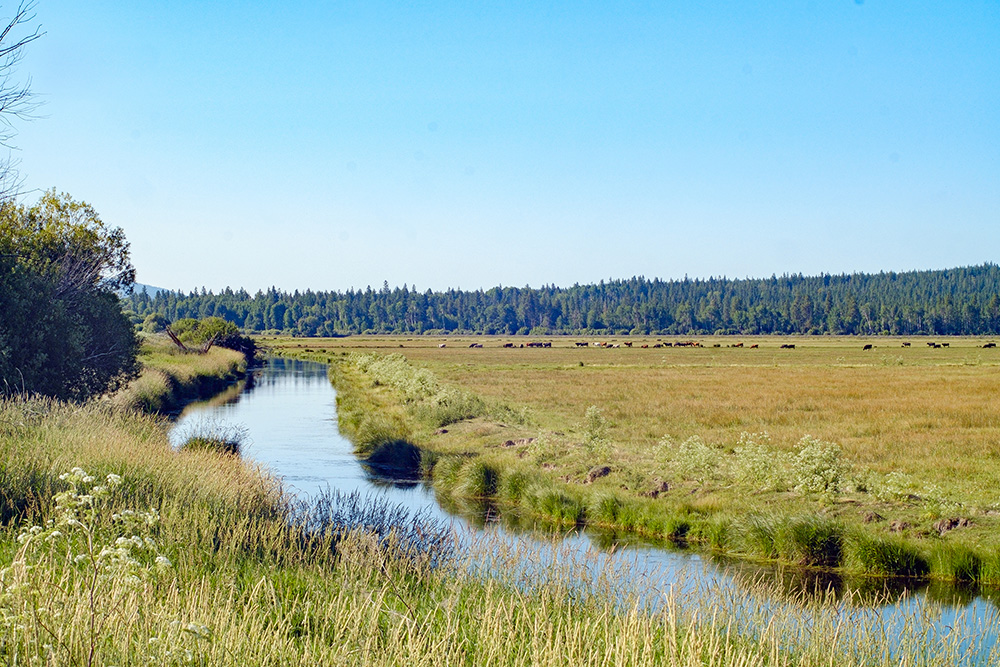
My goal is to bring farmers, ranchers, conservationists, tribes, communities, and government agencies together to find practical solutions that protect natural resources while keeping working lands working.
We need to invest in water infrastructure, improve efficiency, maintain healthy watersheds, encourage responsible stewardship, and pursue policies that distinguish between protecting the environment and simply restricting the people who live and work in it.
We don’t have to choose between healthy land and productive farms. We can have both.
Our farmers and ranchers feed us, employ our neighbors, support our communities, maintain working landscapes, and carry forward a way of life deeply woven into Southern and rural Oregon.
I will continue working to make sure they have a seat at the table—and that Oregon’s policies recognize the value of both the people who steward our land and the land they steward.
Protecting our environment and protecting agriculture should not be competing goals. They should be part of the same future.
Education has always been personal to me. Before serving in the Oregon Legislature, I served on my local school board, where I saw firsthand how decisions made in Salem affect students, teachers, parents, and communities.
As Vice Chair of the Oregon House Education Committee, I have brought that perspective to the Capitol, working with educators, administrators, parents, students, school boards, and advocates to examine challenges facing 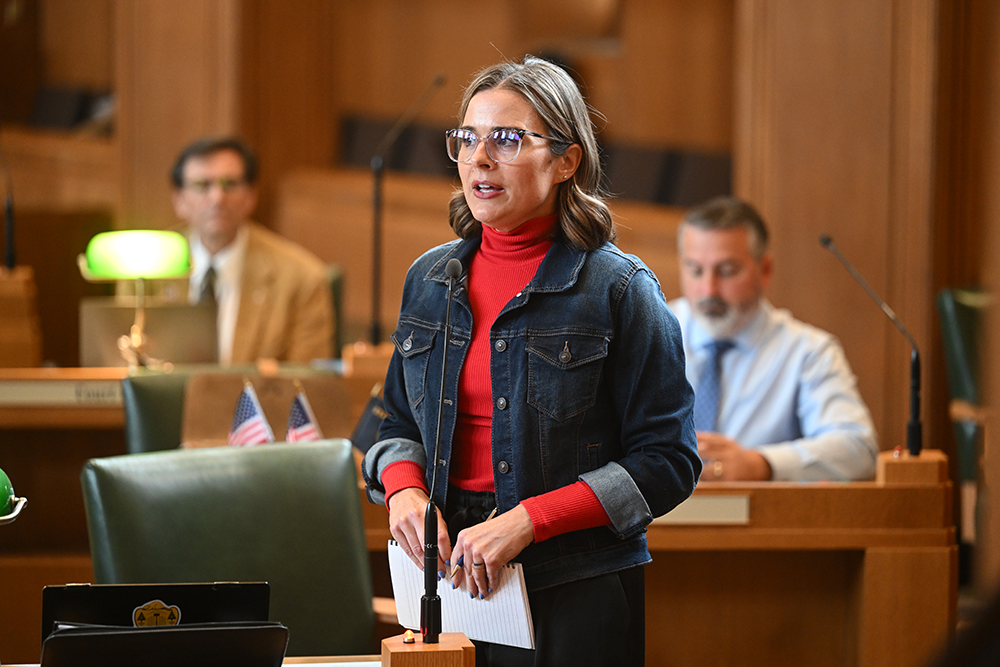 Oregon’s schools.
My focus is on how policies work in classrooms and communities, including rural and Southern Oregon communities.
I have worked on K-12 education, funding, special education, student achievement, parental involvement, accountability, and rural districts, while ensuring smaller districts and families are heard statewide.
Protecting local decision-making is a priority. I believe those closest to students—parents, teachers, administrators, and local school boards—often understand their communities better than policymakers in Salem. State policy should support, not unnecessarily replace, their judgment.
Serving as Vice Chair has allowed me to ask difficult questions, consider competing perspectives, examine legislation’s financial and practical impacts, and advocate for students and families.
I am proud of my work for students and families and will continue strengthening schools while ensuring parents and local communities have a meaningful voice in their children’s education.
Healthcare is one of the issues I hear about most often from families, seniors, providers, and rural communities across Southern Oregon. My work on the House Health Care Committee has allowed me to take those concerns directly to Salem and address important challenges facing Oregon’s healthcare system.
I have focused on issues that matter most to rural Oregonians: access to care, doctors and nurses, rural hospitals, behavioral health, Medicaid, healthcare costs, and ensuring communities outside the Portland metropolitan area are not left behind.
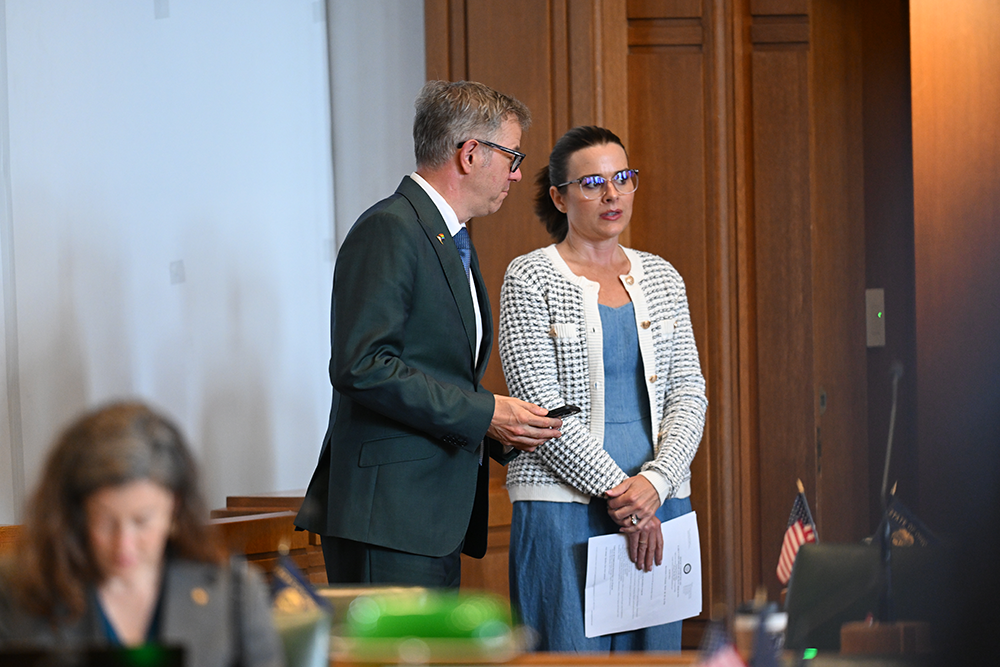 Committee service has also allowed me to examine how healthcare is financed and reimbursed and the challenges facing providers trying to keep their doors open. I have asked tough questions, examined the fiscal impacts of proposed legislation, and worked to understand how decisions made in Salem affect patients and providers in Southern Oregon.
Healthcare policy must recognize that rural communities do not have the same resources or access as metropolitan areas. What works in Portland cannot automatically be assumed to work in Klamath Falls, Medford, or smaller rural communities.
I am continuing to build my healthcare policy expertise and working toward a leadership role on the House Health Care Committee. I want to help shape practical policies that improve access, strengthen our workforce, protect rural hospitals and clinics, and make healthcare more sustainable for Oregon families.
Healthcare is too important to be reduced to politics. It requires listening, asking hard questions, understanding the numbers, and finding solutions that work.
I am ready to take the next step and bring the voice of rural Oregon into a greater leadership role on healthcare.